


Understanding Chair Seat versus Light Seat in Equestrian Riding for Optimal Performance

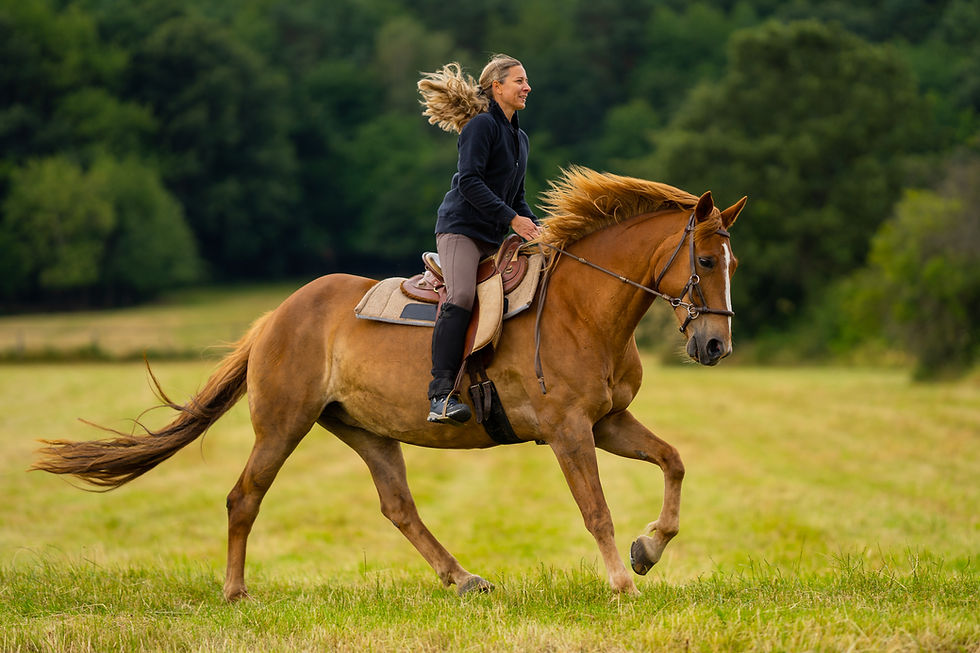
Equestrian riding is an art that requires a deep understanding of both the horse and the rider's position. Among the various riding techniques, the chair seat and the light seat are two distinct styles that significantly impact a rider's performance and connection with their horse. This blog post will explore the differences between these two seats, focusing on how the chair seat can hinder a rider's effectiveness by putting them behind the movement, while the light seat allows for a harmonious synchronization with the horse's natural rhythm.
The Chair Seat: A Closer Look
The chair seat is characterized by a position where the rider sits deep in the saddle, with their legs positioned forward and their heels often elevated. This position resembles sitting in a chair, hence the name. While it may feel comfortable for some riders, it can lead to several issues that affect performance.
One of the primary drawbacks of the chair seat is that it places the rider behind the movement of the horse. When a rider is not in sync with the horse's motion, it can create a disconnect that affects communication and control. The horse's natural rhythm is disrupted, leading to a less fluid ride.
Moreover, the chair seat can restrict the rider's ability to absorb the horse's movements effectively. This lack of absorption can result in a stiff and unresponsive ride, making it challenging to execute precise maneuvers or transitions.
The Impact of the Chair Seat on Performance
Riders who adopt the chair seat may find themselves struggling with balance and coordination. The forward position of the legs can lead to a tendency to lean back, which further distances the rider from the horse's center of gravity. This imbalance can cause the horse to feel heavy on the forehand, making it difficult for them to engage their hindquarters effectively.
Additionally, the chair seat can limit the rider's ability to use their legs for cues. When the legs are positioned too far forward, it becomes challenging to apply effective leg aids, which are crucial for guiding the horse. This can lead to frustration for both the rider and the horse, as communication becomes less clear.
Transitioning to the Light Seat
In contrast, the light seat promotes a more dynamic and engaged riding position. In this style, the rider maintains a more upright posture, with their legs positioned underneath them and their heels down. This alignment allows for better balance and a closer connection to the horse's movement.
The light seat encourages the rider to be in time with the horse's rhythm, allowing for a more harmonious ride. When the rider is aligned with the horse's motion, they can respond more effectively to changes in speed and direction. This synchronization enhances the overall performance, making it easier to execute complex movements and transitions.
Benefits of the Light Seat
One of the most significant advantages of the light seat is the increased ability to absorb the horse's movements. By maintaining a more flexible position, the rider can move with the horse rather than against it. This fluidity not only improves comfort for the rider but also enhances the horse's performance.
Furthermore, the light seat allows for more effective use of leg aids. With the legs positioned correctly, riders can apply subtle cues that communicate their intentions clearly to the horse. This improved communication fosters a stronger partnership between horse and rider, leading to a more enjoyable and successful riding experience.
Practical Tips for Achieving the Light Seat
Transitioning from a chair seat to a light seat may require practice and adjustment. Here are some practical tips to help riders achieve the light seat:
Focus on Posture: Maintain an upright posture with your shoulders back and down. This alignment will help you stay balanced and engaged with the horse.
Leg Positioning: Keep your legs underneath you, with your heels down. This positioning will allow for better control and communication with your horse.
Practice in the Saddle: Spend time in the saddle practicing the light seat at various gaits. Start at a walk and gradually progress to a trot and canter as you become more comfortable.
Engage Your Core: A strong core will help you maintain balance and stability in the light seat. Incorporate core-strengthening exercises into your routine to support your riding.
Seek Feedback: Work with a qualified instructor who can provide feedback on your position and help you make necessary adjustments.
Conclusion
Understanding the differences between the chair seat and the light seat is crucial for any equestrian rider looking to enhance their performance. While the chair seat may offer a sense of comfort, it ultimately places the rider behind the movement, leading to a disconnect with the horse. In contrast, the light seat fosters a more dynamic and synchronized riding experience, allowing for improved communication and performance.
By focusing on posture, leg positioning, and core engagement, riders can transition to the light seat and experience the benefits of a more harmonious connection with their horse. As with any skill, practice and patience are key. Embrace the journey of refining your riding technique, and enjoy the rewarding experience of riding in sync with your horse.
.


Comments