


Exploring the Hispano Arab Horse History Characteristics and Its Role in Modern Doma Vaquera

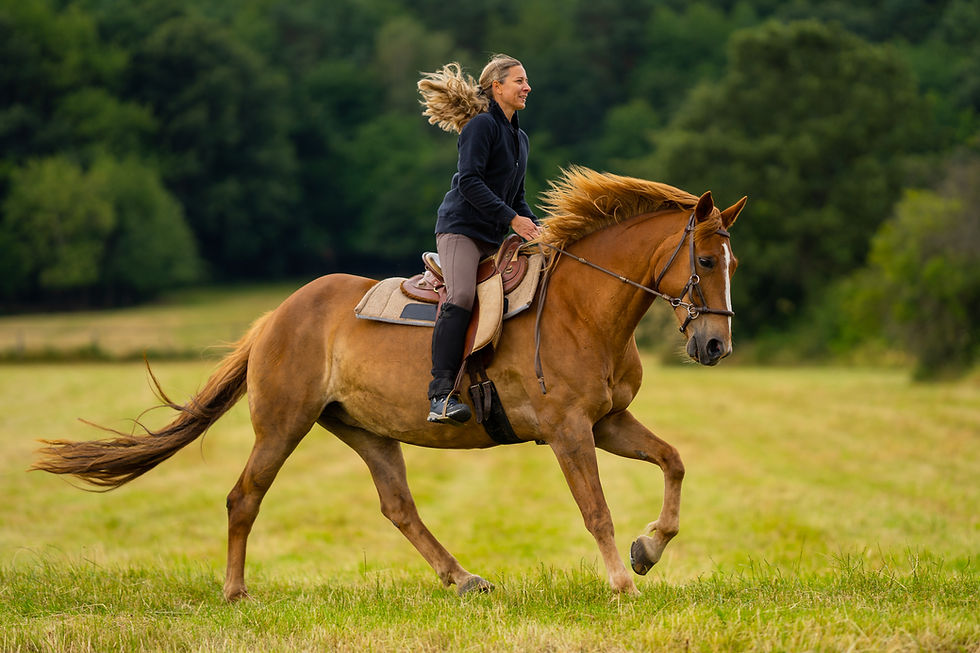
The Hispano Arab horse stands out as a remarkable breed with a rich history and a unique role in traditional and modern equestrian practices. Known for its agility, endurance, and versatility, this horse has deep roots in Spanish culture and continues to thrive in the demanding discipline of doma vaquera. This post explores the origins of the Hispano Arab, its defining characteristics, and how it remains essential in contemporary doma vaquera.

The Historical Roots of the Hispano Arab Horse
The Hispano Arab horse traces its lineage back to the crossbreeding of native Iberian horses with Arabian bloodlines. This blend began centuries ago when the Moors introduced Arabian horses to the Iberian Peninsula during their occupation from the 8th to the 15th century. The Arabian horses contributed stamina, refined features, and a spirited temperament, while the native Spanish horses added strength and adaptability.
This combination produced a horse well-suited for the varied terrains and climates of Spain. Over time, breeders selected for traits that enhanced speed, endurance, and agility, making the Hispano Arab a prized horse for cavalry, hunting, and later, equestrian sports. The breed’s development reflects Spain’s equestrian heritage and the cultural exchange between Arab and European traditions.
Key Characteristics of the Hispano Arab Horse
The Hispano Arab horse is medium-sized, typically standing between 15.2 and 16.2 hands high. It combines the elegance of the Arabian with the robustness of the Iberian breeds. Some defining features include:
Head and Neck: A refined, slightly concave profile with expressive eyes and a well-arched neck.
Body: A compact, muscular frame with a deep chest and strong back, allowing for powerful movement.
Legs: Clean, sturdy legs with well-defined joints and tendons, built for endurance and agility.
Coat Colors: Common colors include bay, gray, chestnut, and black, often with a glossy sheen.
Temperament: Intelligent, willing, and sensitive, yet calm and trainable, making it suitable for various riders and disciplines.
This breed’s combination of speed and strength makes it versatile for both competitive and working environments. Its endurance allows it to perform well in long-distance riding, while its agility supports quick maneuvers.
The Role of the Hispano Arab in Modern Doma Vaquera
Doma vaquera is a traditional Spanish equestrian discipline that originated from cattle herding techniques used by vaqueros (Spanish cowboys). It requires horses to be agile, responsive, and able to perform precise movements to control cattle effectively. The Hispano Arab horse fits this role perfectly due to its physical and mental attributes.
In modern doma vaquera, riders depend on the Hispano Arab for:
Quick Direction Changes: The horse’s agility allows it to pivot and turn sharply, essential for managing cattle.
Endurance: Sessions can last several hours, demanding stamina and consistent performance.
Responsiveness: The breed’s intelligence and sensitivity enable it to react promptly to subtle rider cues.
Balance and Strength: Maintaining stability during sudden stops or fast accelerations is crucial in doma vaquera.
Riders often praise the Hispano Arab for its willingness to work and its ability to maintain calm under pressure. This makes it a favorite not only for traditional cattle work but also for competitions that showcase doma vaquera skills.
Practical Examples of Hispano Arab Usage Today
Across Spain, the Hispano Arab horse is a common sight in doma vaquera events, both in rural working contexts and formal competitions. For example:
In Andalusia, vaqueros use these horses daily to manage large herds of cattle, relying on their quick reflexes and stamina.
At national doma vaquera championships, Hispano Arabs often take top honors due to their blend of speed and precision.
Riding schools specializing in traditional Spanish horsemanship frequently select Hispano Arabs for their students, valuing the breed’s trainability and versatility.
These examples highlight how the breed remains deeply connected to Spanish culture while adapting to modern equestrian demands.
Caring for a Hispano Arab Horse
Owners and trainers of Hispano Arab horses focus on maintaining their physical condition and mental sharpness. Key care practices include:
Regular Exercise: To build and maintain endurance and agility.
Balanced Diet: Rich in nutrients to support muscle development and energy.
Training: Consistent doma vaquera practice to hone responsiveness and skills.
Health Monitoring: Routine veterinary checks to prevent and address any issues promptly.
Proper care ensures the horse performs at its best and enjoys a long, healthy life.


Comments